
In today’s digital world, starting a business is much easier than before, but standing out has become much harder. Almost every industry already has thousands of products, multiple competitors, and endless advertisements competing for people’s attention every single day.
Because of this, simply launching a product is no longer enough for a brand to grow. Consumers today do not only buy products they buy emotions, trust, experiences, relatability, and brand identity. People want to feel connected to a brand before they decide to support it.
In my opinion, this is why modern marketing is changing so rapidly. Brands that only focus on selling often get ignored, while brands that create conversations, build communities, and emotionally connect with audiences are becoming more memorable.
What Modern Businesses Need To Do
Today, businesses need to focus less on aggressive selling and more on building presence, trust, and connection with their audience. Before people buy from a brand, they first need a reason to remember it.
Modern brands are now using strategies like storytelling, education-based content, curiosity marketing, strong brand positioning, and community building to create attention and long-term audience connection.
Storytelling Creates Emotional Connection
One of the most powerful ways brands attract audiences today is through storytelling. Instead of directly focusing on products, brands now focus on emotions, values, and experiences that people can relate to.
Nike is one of the strongest examples of storytelling-based marketing. Their campaigns usually focus on ambition, determination, discipline, and personal achievement rather than only promoting products. This emotional storytelling helps audiences feel inspired and connected to the brand, which makes Nike more memorable than just another sportswear company.
This is why storytelling has become such an important part of modern branding. People may forget advertisements, but they often remember emotions and experiences connected to a brand.

Educating Before Selling Builds Trust
Another strategy that is becoming very important in digital marketing is educating audiences before directly selling products.
A great example of this is Nish Hair. Instead of only promoting products, the brand first created content around how to use hair extensions, different styling methods, and how everyday people could easily use them. This made the products feel simple, relatable, and accessible instead of looking like something only celebrities or professionals could use.
By educating audiences first, the brand reduced hesitation and built trust before expecting people to purchase.

Curiosity Marketing Creates Attention
In today’s fast-moving digital environment, curiosity has become one of the strongest ways to attract audience attention.
Aman Gupta recently created curiosity around his upcoming brand “Offbeat” by not revealing complete details immediately. Even before the official launch, people were already discussing and speculating about the brand online.
This type of curiosity marketing works because people naturally become interested when they feel there is something new, exclusive, or unexpected coming soon.

Brand Positioning Makes Brands Memorable
Today, consumers are not only choosing products based on quality or price. They are also choosing brands based on identity, values, aesthetics, and emotional connection.
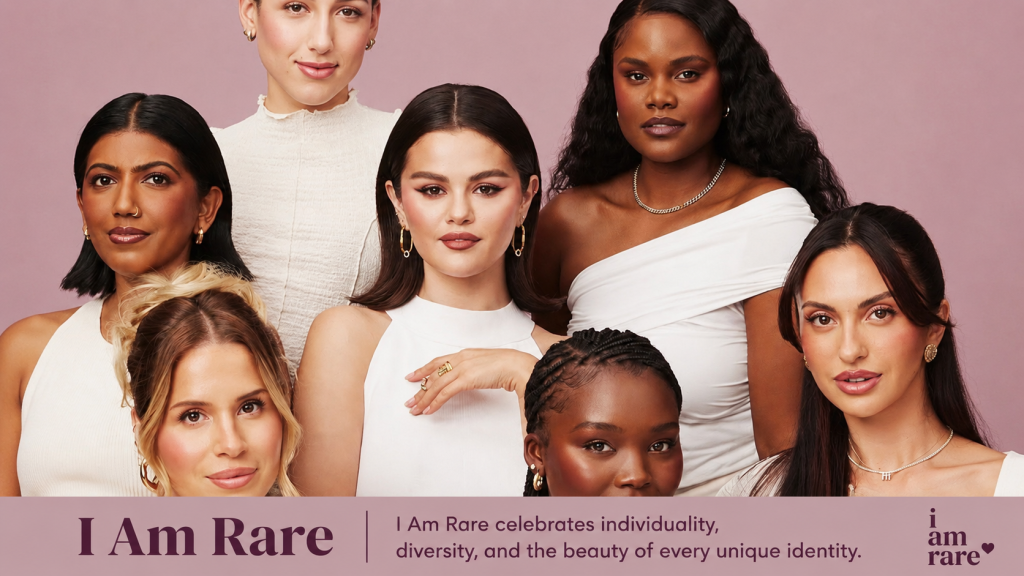
Rare Beauty is a strong example of effective brand positioning. The brand positioned itself around simplicity, authenticity, self-acceptance, and emotional connection rather than only focusing on makeup products. This helped the brand create a unique identity in an already crowded beauty industry.
Strong brand positioning helps audiences instantly recognize what a brand stands for and why it feels different from competitors.
Community Building Creates Long-Term Growth
Modern marketing is no longer one-sided communication where brands only advertise products. Today, audiences want interaction, engagement, and relatable content.
Duolingo became extremely popular on social media because of its humorous, trend-based, and relatable content style. Instead of behaving like a traditional educational company, the brand became part of internet culture and audience conversations.
This shows how community-driven marketing can help brands build stronger engagement and long-term audience loyalty.

The Future of Marketing
In my opinion, the future of marketing will belong to brands that know how to create connections instead of only focusing on sales.
Today, people already have endless product options available to them. What truly makes a brand stand out is how it makes audiences feel, how well it understands consumers, and how effectively it builds trust and identity in people’s minds.
A product may attract attention for a short time, but storytelling, positioning, community, and emotional connection are what make brands memorable in the long run.